





Commonwealth M&A — Transaction Record
Deals That Changed Lives.
Every transaction we close represents decades of hard work, a family's legacy, and a future worth protecting. Below is a selection of the businesses we’ve been honored to represent and the buyers who recognized their value. We specialize in several industries where we've built deep expertise and an active buyer network.
Home Services
Healthcare
Industrial & Infrastructure
Environmental Services
Transportation & Logistics

100% Client Satisfaction
.gif)
Boutique by Design

Sell-Side Only. Always.

Trusted by CPAs, Attorneys & Wealth Advisors



OUR TRANSACTIONS
Results That Speak For Themselves.
Thank you! Your submission has been received!
Oops! Something went wrong while submitting the form.














some of the industries we've represented
Dedicated Representation on Every Transaction.
Home Services
The Most Active M&A Sector in the Lower Middle Market And We're at the Center of It.
Home services is where we've done our deepest work. We have recently represented several HVAC, plumbing, mechanical, and related trades businesses in successful transactions, and the buyer relationships we've built along the way are one of the most valuable things we bring to every new engagement. When we go to market for a home services client, we're not introducing ourselves to buyers. We're reaching out to acquirers who know our work, trust our process, and have competed for deals we've run before. That familiarity drives competition, and competition is what gets you the best possible outcome.
Here's what buyers are looking for:
Here's what buyers are looking for:
Recurring revenue through maintenance agreements and service contracts
Route density and technician efficiency
Clean financials and documented add-back analysis
A management team capable of operating post-close
Licensing compliance and a stable, skilled workforce

Healthcare
A Complex Industry. The Right Advisor Makes all the Difference.
Selling a healthcare business is not like selling any other business. The buyers are sophisticated, the diligence is intensive, and the regulatory exposure is real. Owners who go to market unprepared don't just leave money on the table, they risk losing the deal entirely. We work with healthcare business owners well before a go-to-market date to make sure the financials, the compliance history, and the operational story are all in order before a buyer ever sees them. Preparation is what separates a great outcome from a failed process in this sector.
Here's what buyers are looking for:
Here's what buyers are looking for:
Diversified payor mix with limited single-payor concentration
Provider retention and documented clinical leadership
Clean compliance history and current licensing
Recurring or contracted revenue streams
Scalable infrastructure and technology systems

Industrial & Infrastructure
Essential. Fragmented. In High Demand.
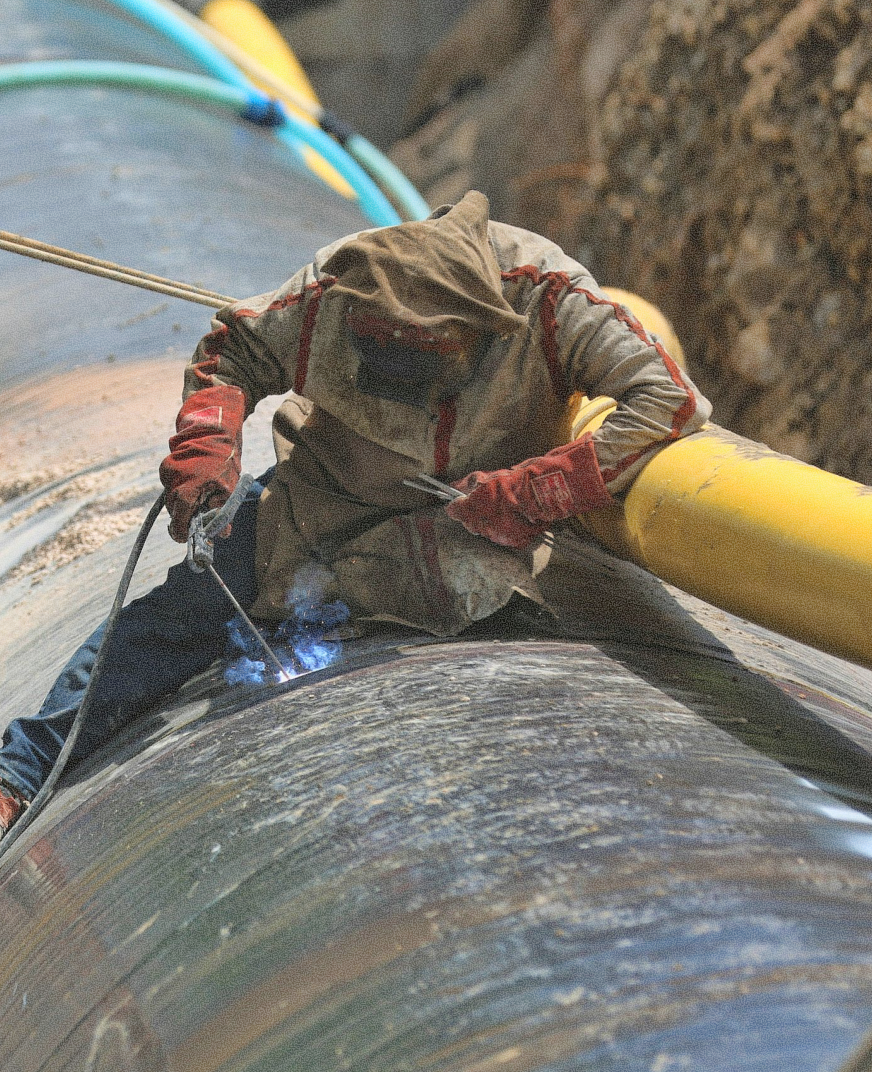
Industrial and infrastructure businesses sit at the foundation of how commerce moves, and buyers know it. Acquirers are actively pursuing businesses in this space because of what they offer: recurring relationships with institutional customers, specialized capabilities that are hard to replicate, and essential services that don't slow down when the economy does. We have represented businesses across pipeline services, electrical contracting, and industrial equipment, and we understand what buyers in this space are looking for and how to position yours to attract serious acquirers.
Here's what buyers are looking for:
Here's what buyers are looking for:
Recurring or contracted revenue with institutional or municipal customers
Technically differentiated capabilities or certifications
Strong safety record and regulatory compliance history
Experienced operations management capable of running post-close
Geographic density or the ability to expand into adjacent markets

Environmental Services
Regulatory Tailwinds. Sector Built for This Moment. Serious Buyer Demand.
Tightening regulation, aging infrastructure, and growing demand for environmental compliance have created durable, non-discretionary demand for businesses in this space. Buyers are active and well-capitalized and they are pursuing environmental services businesses precisely because the services they provide aren't optional. We have represented environmental services businesses including pipeline and infrastructure services companies, and we understand the specific diligence considerations this sector introduces (regulatory standing, permitting, and environmental liability) and how to address them before they become obstacles in a deal.
Here's what buyers are looking for:
Here's what buyers are looking for:
Recurring compliance or remediation contracts with municipal or industrial customers
Clean regulatory standing and current permitting
Demonstrated environmental liability management
Technical certifications and a licensed, experienced workforce
Geographic density or specialized service capability in a defensible niche
Transportation & Logistics
Essential Operations. Commerce Depends on it. Buyers Know it.
Transportation and logistics businesses are built on something buyers deeply value: reliable operations, loyal customer relationships, and essential services that commerce depends on. The buyers pursuing businesses in this space are looking for proven operators with defensible market positions and knowing who they are, what they pay, and how they structure deals is what makes the difference between a good outcome and a great one.
Here's what buyers are looking for:
Here's what buyers are looking for:
Recurring or contracted revenue with established customers
Operational reliability and documented service performance
Experienced management capable of running post-close
Defensible geographic territory or specialized service capability
Clean financial history and documented owner earnings